Save up to 30% today on selected artwork!
Why Appreciating Art Transforms You
The positive effects on you through art.
Real Blind Artist
11/24/20252 min read
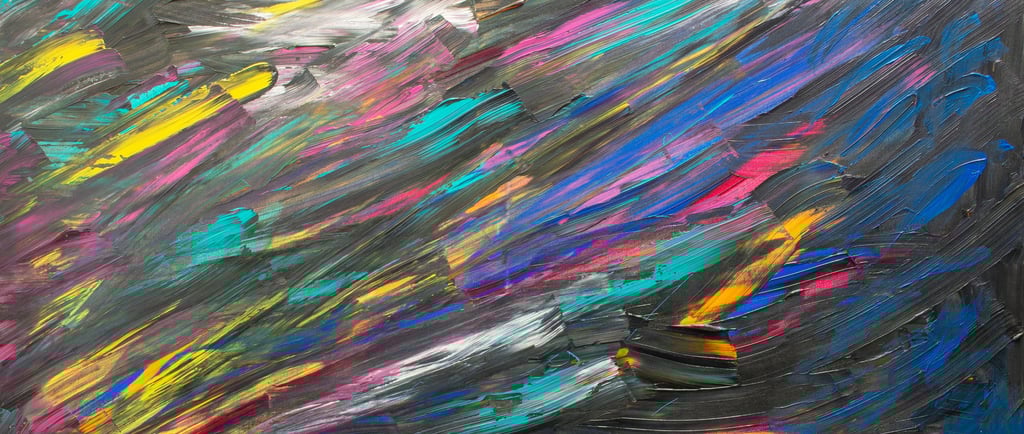

Imagine scrolling through your feed and suddenly stopping dead in your tracks because a painting, photo, or sculpture just hit you like a lightning bolt. That moment—when a piece of art stops you cold—isn’t random. It’s your brain waking up. If you’ve ever typed “why should I appreciate artwork” into Google, this post is written exactly for you.
In the next five minutes you’ll discover why actively appreciating artwork sharpens your critical thinking faster than most “brain-training” apps, how it quietly rewires the way you solve problems in everyday life, and why starting an art collection—even on a modest budget—is one of the smartest long-term investments you can make (financially and mentally).
Here’s what’s in it for you: better decision-making skills, deeper empathy, reduced stress, and the quiet pride of owning objects that actually mean something in a world full of disposable stuff.
1. Appreciating Artwork Trains Your Brain to Think Critically
Every time you stand in front of a painting and ask, “What was the artist trying to say?” you’re doing the same mental workout journalists, detectives, and scientists do: gathering evidence, spotting patterns, considering context, and challenging your first impression. Neuroscientists at University College London found that people who regularly visit galleries show increased critical-thinking activity in the prefrontal cortex—the exact area responsible for complex decision-making.
2. It Builds Emotional Intelligence Most People Never Develop
Great art doesn’t hand you the answer on a platter. It forces you to feel something first, then figure out why. That emotional detective work translates directly into understanding people better—your partner, your colleagues, even yourself. In a 2019 study, medical students who took a visual arts course improved their observational skills by 38% compared to the control group. The same skill that lets you notice a subtle brushstroke lets you notice when someone is hiding pain behind a smile.
3. Collecting Art Is Self-Development Disguised as Décor
You don’t need six-figure auctions to start collecting art. Emerging artists, limited-edition prints, and even original works on paper can begin at a few hundred dollars. Every piece you choose becomes a snapshot of who you were when you bought it—your taste, your values, your courage to trust your own eye. Over time your collection tells your story better than any journal.
Plus, the financial upside is real. Contemporary art has outperformed the S&P 500 over the last 25 years (according to the Mei Moses Art Index), but the bigger return is psychological: living with objects that spark joy and curiosity every single day.
Quick Summary of Key Takeaways
Appreciating artwork is active brain training disguised as pleasure.
It dramatically improves critical thinking, observation, and emotional intelligence.
Collecting art—even modestly—creates a personal museum that grows in meaning and often in value.
Start small: visit a local gallery this weekend, follow five living artists on Instagram, buy one piece that makes your heart race.
Stop treating art as background noise. Start treating it as the ultimate life-upgrade tool. Your brain—and your walls—will thank you.
Charles