Save up to 30% today on selected artwork!
Art Heals Wounded Warriors’ Souls
How Creating Art Becomes Powerful Therapy for Disabled Veterans
Real Blind Artist
11/24/20252 min read
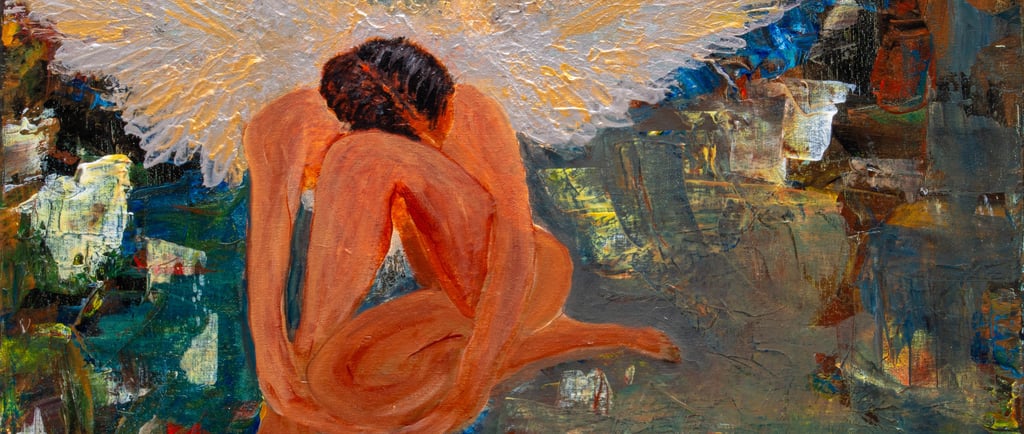
Every day, thousands of disabled veterans search for “art therapy for disabled veterans” because they’re looking for something more than pills or talk therapy—something that finally quiets the noise in their heads and gives purpose to hands that once held weapons. This post shows exactly why picking up a paintbrush, guitar, camera, or lump of clay can be one of the most effective healing tools available—and why it works across every form of artistic expression.
Imagine a Marine who lost both legs in Fallujah sitting at a pottery wheel for the first time. Thirty minutes in, he’s not thinking about phantom pain or the IED that changed everything. He’s focused on keeping the clay centered. That simple act of control is the first taste of peace he’s felt in years. This is art therapy in action, and it’s backed by decades of clinical evidence and countless veteran testimonies.
Painting and drawing let buried emotions surface without words. The VA’s own studies show veterans with PTSD who participate in visual arts programs experience significant drops in hypervigilance and depression. One veteran described his abstract canvases as “pulling the shrapnel out of my soul, one color at a time.”
Music therapy might be the fastest route back to the body. Drumming circles rebuild the rhythm that combat shattered. A veteran with severe TBI who couldn’t speak in complete sentences began playing guitar in weekly sessions—six months later he was writing songs and performing for other vets. The vibrations literally rewire damaged neural pathways.
Writing—whether poetry, memoir, or fiction—gives nightmares a place to live outside the mind. The National Endowment for the Arts’ Creative Forces program has published anthologies of veteran writing that move readers to tears because the raw honesty leaps off the page. Many participants say putting the unspeakable into words is the first time they’ve felt truly heard.
Photography hands control of the lens back to someone who once felt powerless. Organizations like PhotoVoice teach wounded warriors to document their new reality on their own terms. The resulting images—sometimes dark, sometimes surprisingly beautiful—become proof that they still have a voice.
Ceramics, woodworking, and sculpture demand bilateral hand use that occupational therapists love, while theater and improv classes rebuild social connection that isolation destroyed. Dance and movement therapy help amputees rediscover balance and grace in bodies they once hated looking at.
The common thread? Every art form bypasses the broken parts of the brain and speaks directly to the parts that still work. Creativity activates the same reward centers that combat once flooded with adrenaline—only now the high comes without danger. The sense of mastery (“I made this”) rebuilds identity when “Soldier” no longer fits.
Most importantly, art creates something tangible that says “I was here, I survived, and I’m still creating.” That finished painting on the wall or song on the radio becomes evidence against the lie that disability equals worthlessness.
If you’re a disabled veteran reading this—or you love one—know this: you don’t have to be “good” at art for it to heal you. You just have to start. Free and low-cost art therapy programs for disabled veterans exist through the VA, Creative Forces, local VFW posts, and nonprofits like ArtReach and Warrior Writers.
Your next masterpiece might be the medicine no doctor can prescribe.